We all love the idea of creating that viral video that showcases your product, racks up millions of views, and magically turns into millions of dollars in conversions overnight. Sounds amazing, right? But let’s get real, while it’s definitely possible to create incredible organic social media content, it doesn’t always guarantee success.
That’s why today we’re diving into another side of social media marketing: Paid Social Media and Influencer Marketing.
So, what’s the difference? Starting with the obvious, one’s paid and one’s not. But there’s a lot more to it than that. Organic social media centers around building authentic engagement and community, while relying heavily on whatever algorithm your platform is using at the moment. Paid social, on the other hand, involves investing in ads or influencer partnerships to get your content, products, or services in front of a targeted audience without entirely being at the mercy of the algorithm.
If you’re interested in learning more about organic social media strategies, check out my other blog post on that topic. But today we’re focusing on Paid Social Media Advertising: how it works, why brands use it, and the impact it’s having today. So let’s get into it.
Paid Social Media: How it works
Paid social media is typically purchased through impressions or Pay-Per-Click (PPC). On many social media platforms, an impression is the amount of times the ad showed up on a user’s screen (even if they scrolled right past it). PPC on the other hand only charges based on if the ad is clicked on or not. I wanted to find an example of a PPC ad so I open Instagram and this is the first thing I see:
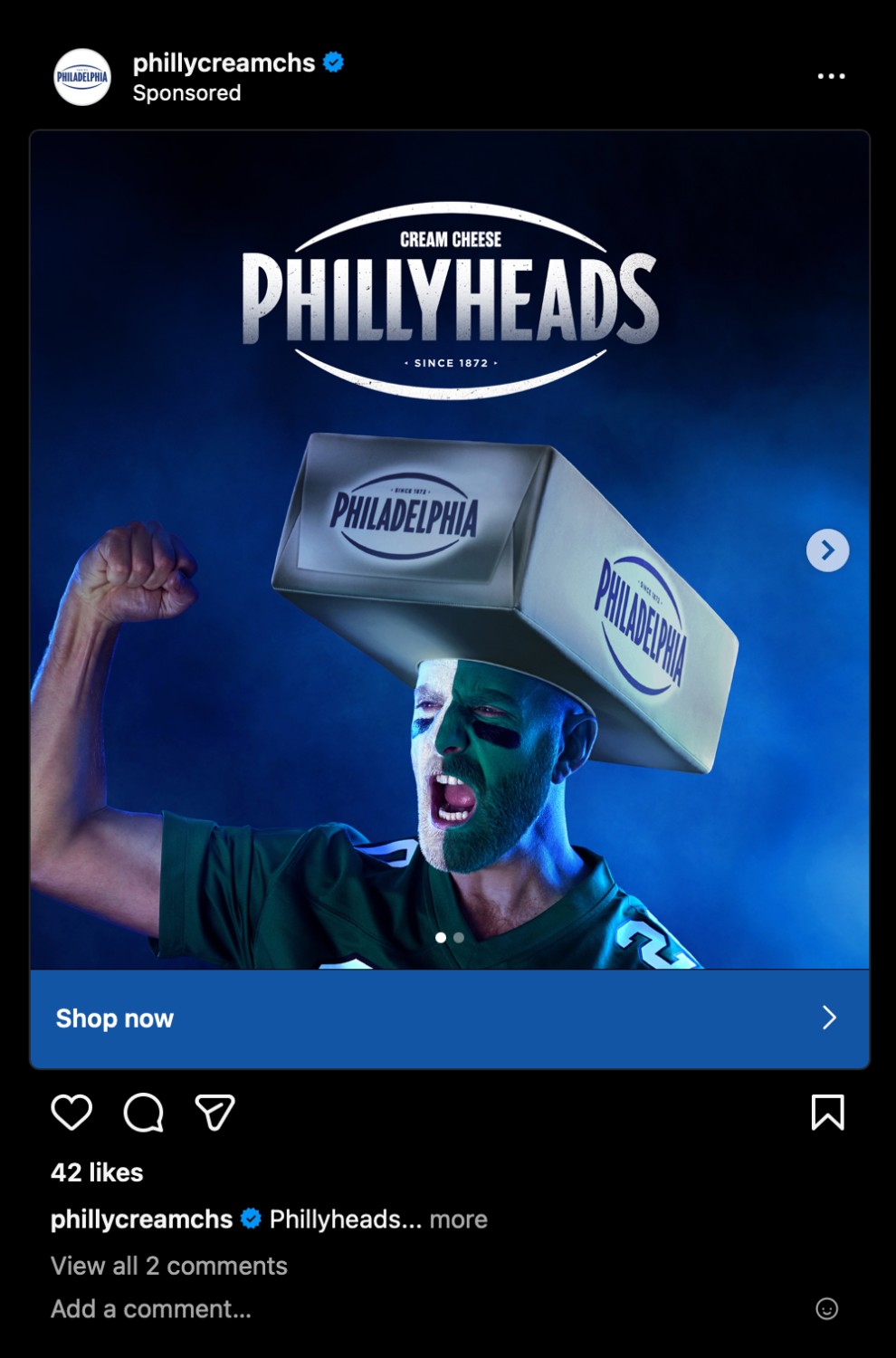
Assuming this ad uses a PPC model, Philadelphia Cream Cheese from Kraft Heinz would only be charged if I actually clicked on it. Since I didn’t, they scored a free impression, and even got a bonus shout out on my blog, which reaches a loyal audience of three people (not counting my mom and dad).
Now that we’ve gone over the easy part (how to spend money) let’s take a look at some tools that can help stretch that digital marketing budget further. Each paid ad reaches a certain number of people, but what if we could narrow down the audience who sees the ad to those more likely to purchase. That’s where Meta’s audience tools come in so let’s take a look at them while using my local Toyota Motor Corporation Dealership in Bellingham as an example.
- New Audiences: This involves targeting people based on demographics or psychographics. Using our dealership example, let’s say they received a large shipment of minivans they’re looking to sell. Instead of paying randomly to show their ad on Instagram, they could create a new Audience by narrowing who sees it. For instance, they might target users in the Bellingham area between the ages of 32 and 40 who have shown interest in baby products on Instagram.
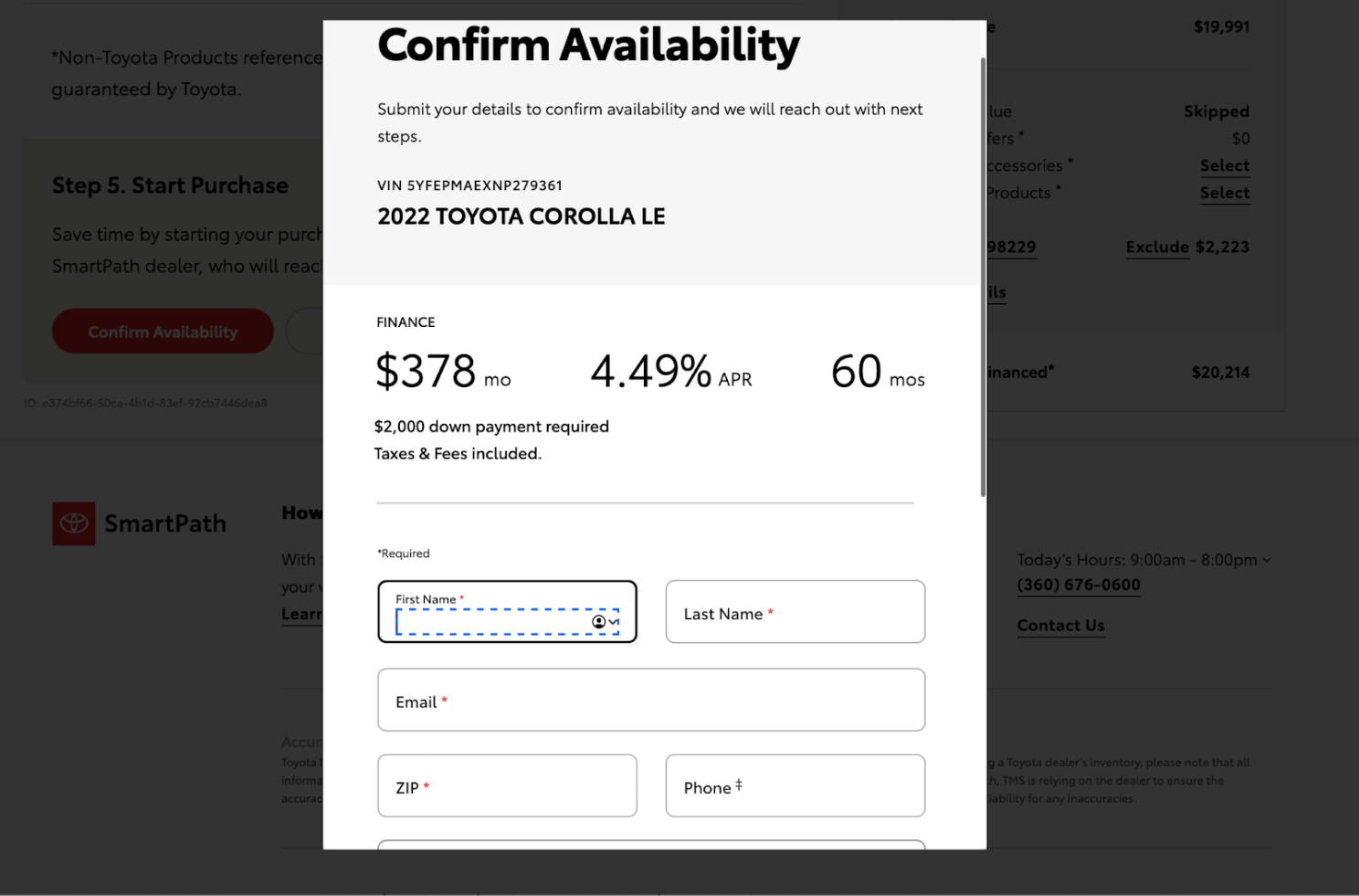
- Custom Audience: This tool allows brands to target people who have already interacted with their website or shown interest in their products. For example, I recently visited our dealership’s site to check the price of a 2022 Corolla and filled out their price estimator, giving them some of my information in the process. By collecting this type of data from multiple visitors, the dealership can identify key demographics and psychographics of interested users, then build a Custom Audience to target them with more relevant ads.
- Lookalike Audience: Put simply, a Lookalike Audience is a tool to help you find more people like your current customers/users. It takes what you already know about the people who follow you or have made a conversion, then uses that info to find new users with similar interests and behaviors. Basically, it’s like telling the algorithm, “Hey, find me more people like these ones, they seem to like what I’m doing.”
Influencer Marketing:
Do you ever look at a brand and think, “Wow, they’re so relatable and definitely have my best interests at heart”? If you’re like me, that probably does not happen very often. That’s where influencers come in. Influencer marketing is when a brand pays someone with a following to promote their product in an authentic way.
Take Valvoline Inc. Motor Oil, for example. When it’s time for an oil change, I don’t usually feel a strong pull toward one brand or another, especially if they all seem pretty similar on paper. But Valvoline partners with Donut Media, whose podcast I listen to regularly. After hearing Nolan Sykes (if you’re one of my four readers, just know I’m a big fan) talk about it, Valvoline is now the brand I put in my classic Mustang.

Final Thoughts
Paid social media and influencer marketing aren’t just “throw money at the algorithm” strategies, they are ways to get your message in front of the right people and the right time. Whether it’s targeting New, Custom, or Lookalike Audiences, or partnering with influencers who people actually trust, these tools help you turn clicks into conversions. Combine them with smart content, and social media no longer becomes a guessing game.
If you found this helpful and want to learn more about digital marketing strategies, visit my site for more blog posts!
Leave a Reply